

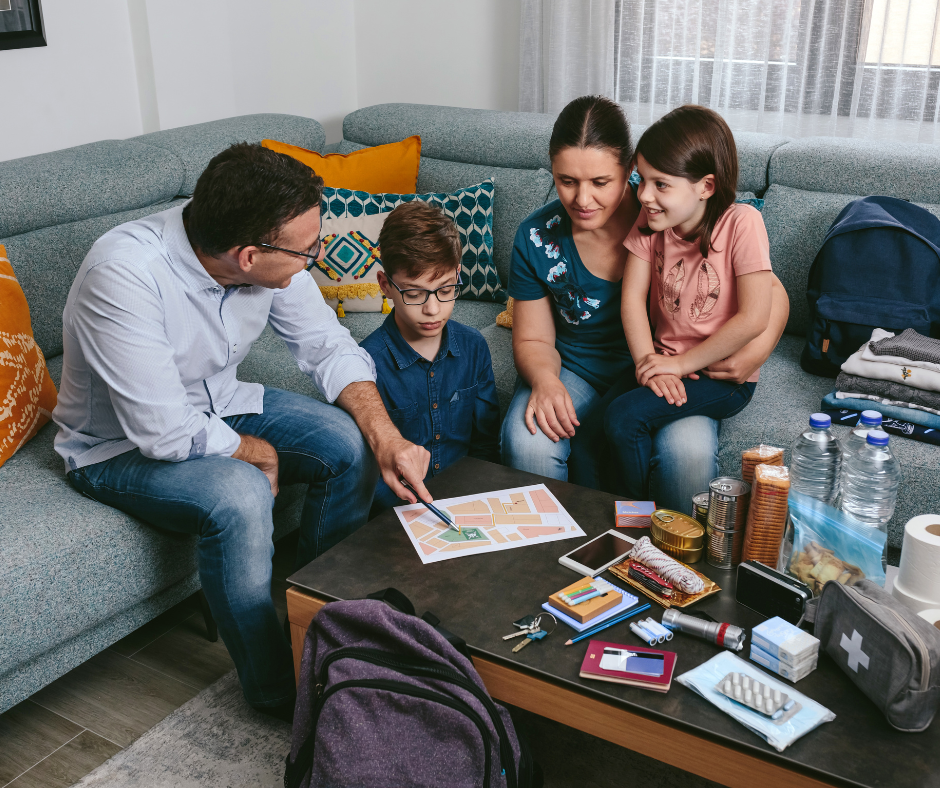
Emergencies can happen anytime, anywhere. The best way to protect your family is to have a plan and be prepared. That’s why September is recognized as National Emergency Preparedness Month, and this year, Lehi City is helping families take simple steps to be ready.
Throughout the month, we’ll share practical tips and family challenges. We’ll also highlight Be Ready Utah’s 12 Areas of Preparedness, which give a complete picture of what every household should plan for. By combining weekly actions with long-term preparation, families in Lehi can be safer, stronger, and more resilient.
Week 1: Build Your Emergency Kit
A “Go Bag” or 72-hour kit gives you peace of mind if you need to leave quickly or shelter in place.
Start with the basics:
-
Water and non-perishable food
-
Flashlight and batteries
-
First-aid supplies
-
Copies of important documents
Then add personal items: medications, baby supplies, pet food, cash, phone charger, and comfort items for kids.
Family Challenge: Build or update your emergency kit this week.
Week 2: Create a Family Communication Plan
In an emergency, communication can be the first thing to fail. Make sure your family knows how to connect.
Choose:
-
A nearby meeting spot
-
An out-of-town contact person
-
Backup meeting places in case you can’t get home
Family Challenge: Practice a quick family check-in call this week.
Week 3: Plan Escape Routes and Safe Locations
Every family member should know at least two escape routes from every room in your home. Also, decide on safe meeting spots both close by and farther away.
Family Challenge: Hold a two-minute fire drill this week.
Week 4: Stay Informed and Practice Your Plan
The best plan is one your family has practiced. Sign up for emergency alerts, review your plan each year, and check your kits regularly.
Family Challenge: Pick one evening this week to run through your family’s plan together.
Be Ready Utah’s 12 Areas of Preparedness
For a deeper level of readiness, Be Ready Utah identifies 12 areas every family should plan for. Here’s a quick overview to help you get started:
-
Shelter, Clothing, and Fire – Learn how to maintain body temperature in extreme conditions, dress appropriately, and safely start a fire for warmth or cooking.
-
Water – Store at least one gallon per person per day for 14 days. Learn how to filter and purify water if needed.
-
Food and Nutrition – Store what you eat and eat what you store. Start with a three-day supply and work toward a three-month supply.
-
Hygiene and Sanitation – Keep clean to stay healthy. Learn how to set up a handwashing station and use an emergency toilet safely.
-
Light and Power – Keep flashlights, batteries, and chargers handy. Learn how to safely use a generator and shut off utilities.
-
First Aid and Well-Being – Get first aid certified, keep first aid kits in your home and vehicles, and know the steps: Check, Call, Care.
-
Communication – Stay informed with emergency alerts, NOAA radio, and social media. Remember: a whistle is louder and easier than shouting.
-
Safety and Security – Perform a home hazard check, maintain smoke detectors, and stay situationally aware.
-
Tools and Personal Items – Stock basic hand tools and personal items like glasses, hearing aid supplies, and infant needs.
-
Cooking – Learn safe alternative cooking methods like solar ovens or camp stoves, and store cooking fuels safely.
-
Important Documents and Money – Keep printed copies of IDs, insurance, and financial documents. Store at least $200 in small bills.
-
Transportation and Navigation – Keep your gas tank at least half full, store sturdy shoes in your kit, and plan transportation for those with special needs.
Taking the Next Step
Preparedness doesn’t happen all at once—it happens one step at a time. Start with this month’s weekly challenges, then use Be Ready Utah’s 12 Areas of Preparedness as a roadmap for building long-term resilience.
By preparing today, you’re protecting tomorrow. Together, we can keep Lehi families safe, ready, and strong. Stay informed with Lehi City’s Emergency Management Department.
