

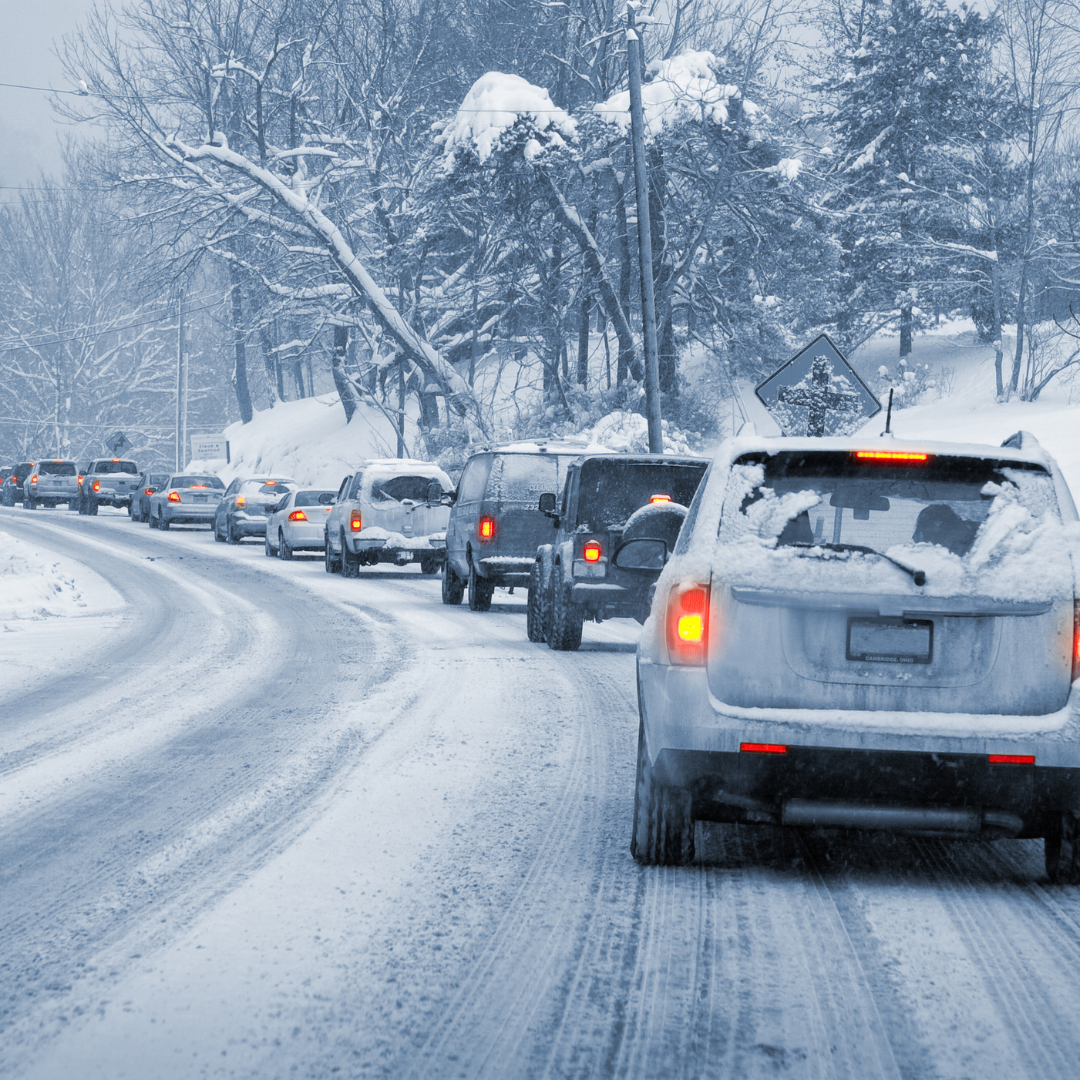
Winter is almost here in Lehi, and that means snowy roads and colder temperatures. Before you head out, make sure you and your family are ready for whatever the season brings. Building a car emergency kit, driving cautiously, and staying informed can keep your winter travel safe and stress-free. We’ve gathered winter driving and emergency-prep tips to help you prepare.
Winter Driving Essentials
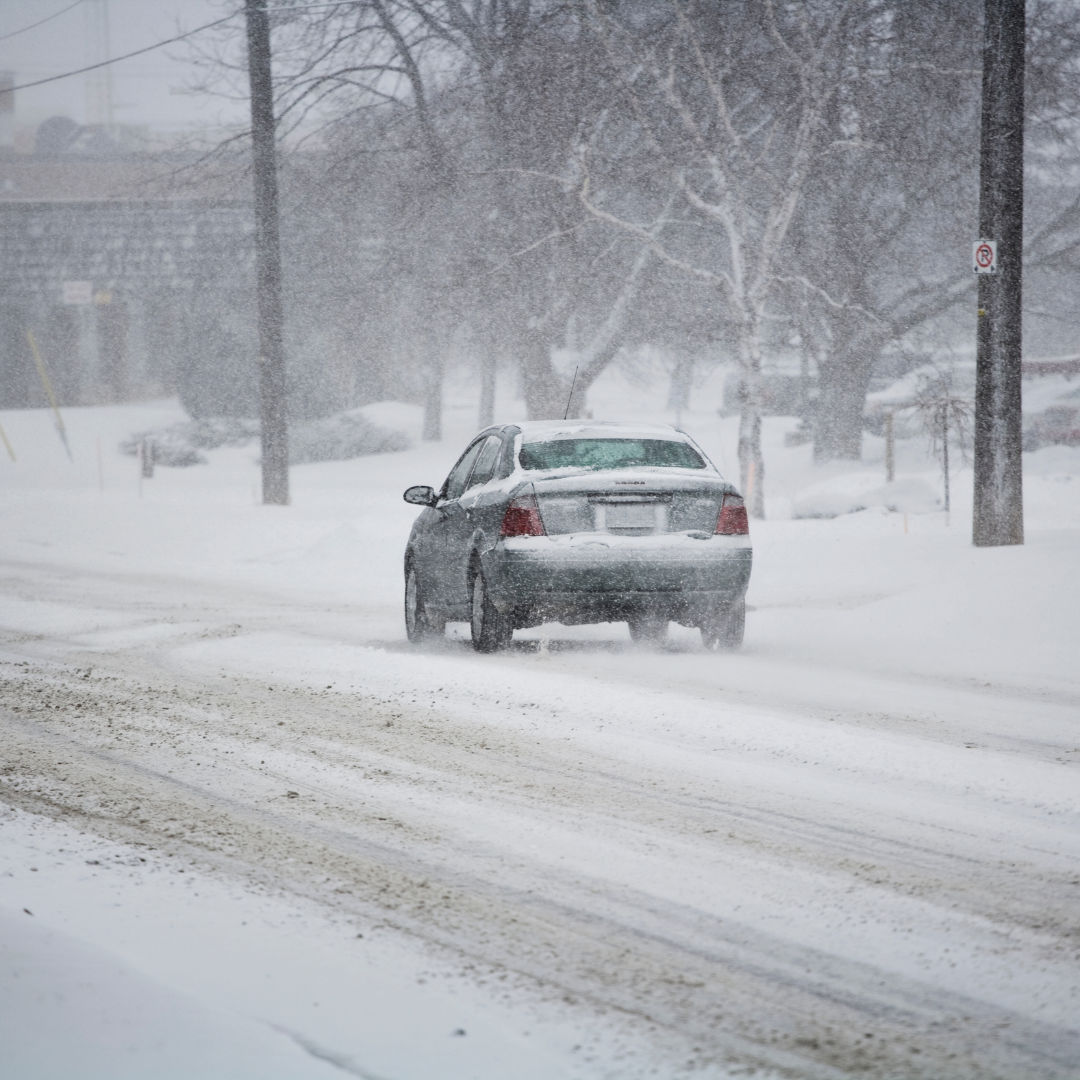
Slow down and leave room.
Slippery roads mean longer stopping distances. Traffic safety experts emphasize slowing down on snow or ice and increasing your following. AAA’s top winter tips are to “slow down [and] increase space between yourself and other vehicles” so you can stop safely.
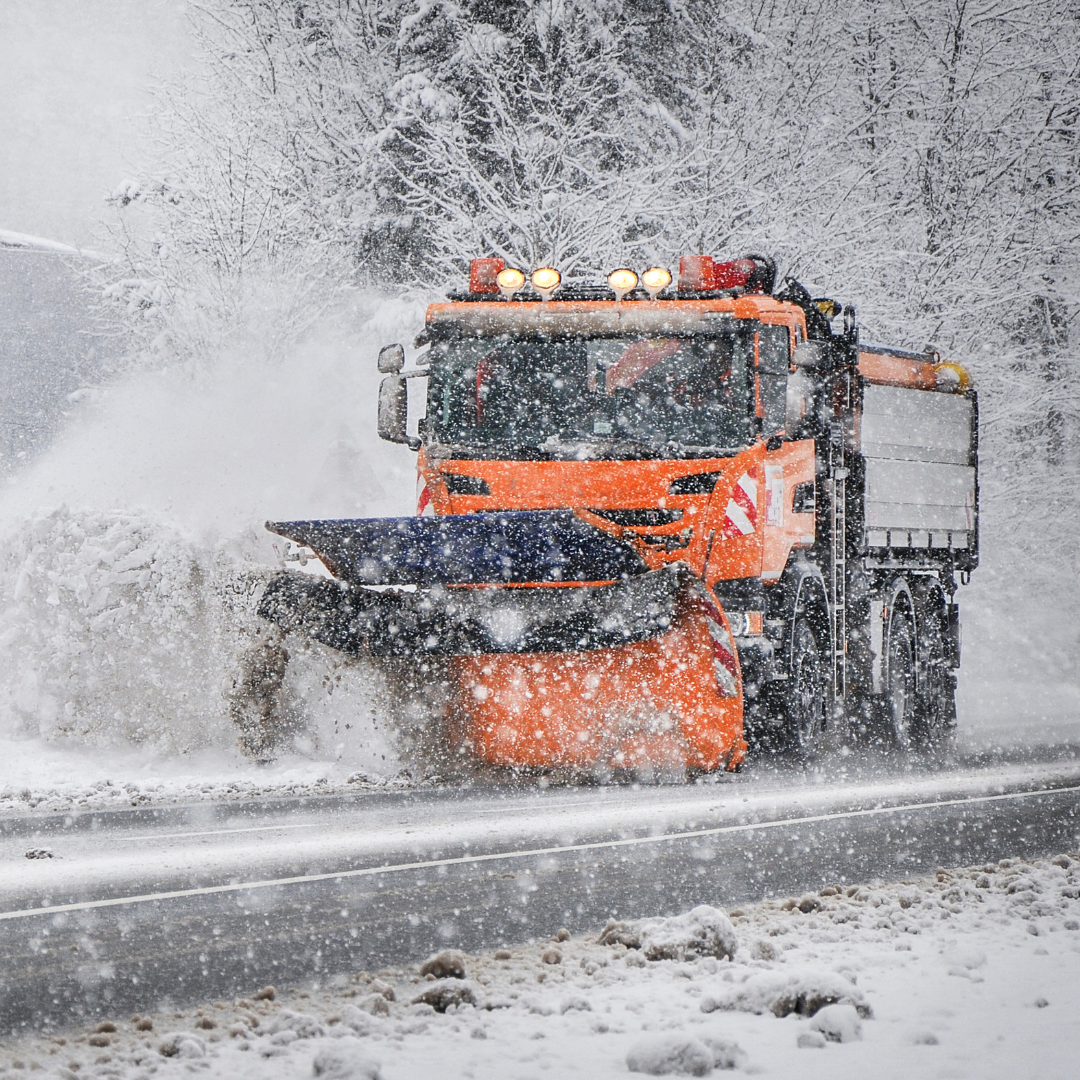
Give plows plenty of space.
Snowplows clear our roads, but they often stop or back up unexpectedly. The Utah Highway Patrol reminds drivers to never crowd a snowplow. Stay at least a few car-lengths (200 feet or more) behind plows and be extra careful if you must pass one. They can swing wide or cross the center line. In short: Don’t tailgate or pass on the right. Let plow crews do their job and clear the lane ahead of you.
Check tires and air pressure.
Cold air contracts and lowers tire pressure. Underinflated tires can wear out faster and have less grip on icy roads. Check your tire pressure when the tires are cold (before you drive) and inflate them to the recommended “cold” pressure listed on your driver’s doorjamb or owner’s manual.
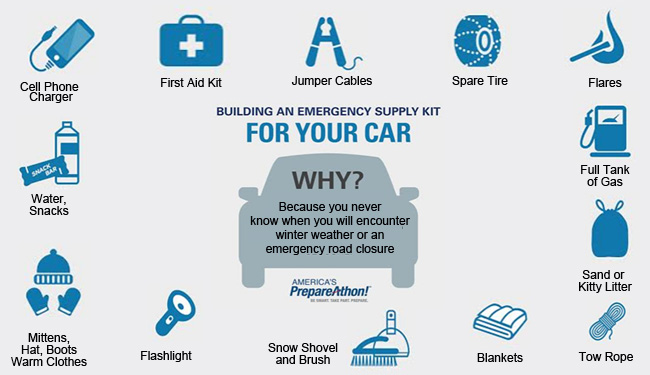
Build an emergency supply kit.
Prepare for unexpected winter weather or roadside closures. Your essential kit should cover immediate survival (water, snacks, warm clothes, first aid) and vehicle emergencies (jumper cables, spare tire, shovel). Having these items ensures you are safe and prepared until help arrives.
Mind your battery.
Winter can be hard on car batteries. Low temperatures slow the chemical reactions inside, reducing cranking power. Have your battery and charging system checked before winter hits, especially if your battery is old.
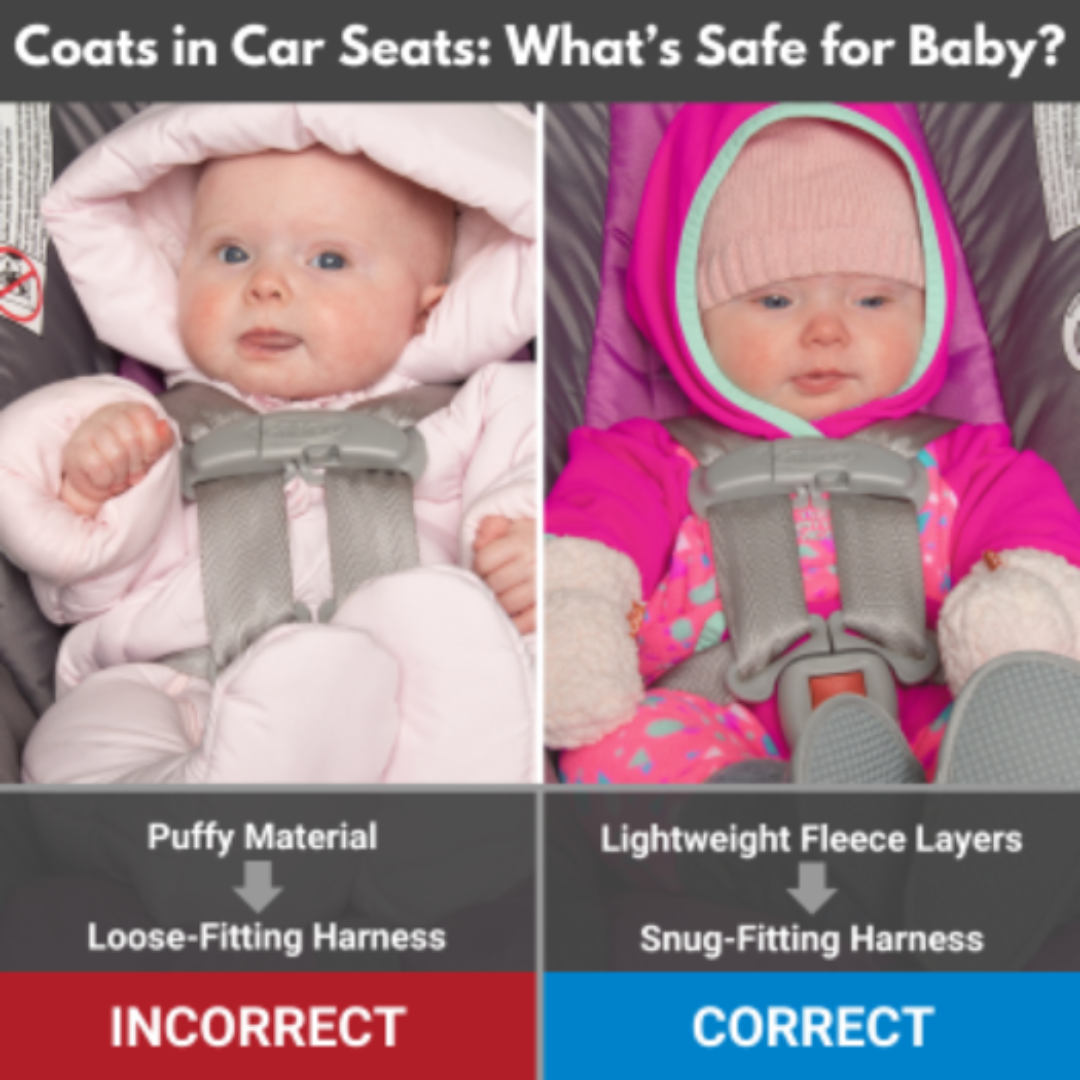
Adjust car seats for winter layers.
Bulky winter coats can make a car-seat harness too loose. The NHTSA warns that “too much bulk can create extra room in the harness” and put a child at risk. For safe winter travel, dress little ones in thin layers when buckling them in, then cover them with a blanket or put their coat on backward over the snug. This way, the harness straps fit correctly and everyone stays warm.
Top off your wiper fluid and check blades.
You’ll likely be blasting through slushy roads and snow. Make sure your washer-fluid reservoir is full of winter-grade fluid and install fresh wiper blades if your current ones are worn. Good visibility is critical on snow-covered roads.
What To Do If You Get Stranded
Even with precautions, vehicles can get stuck or break down in winter storms. If you become stranded in Lehi’s winter weather:
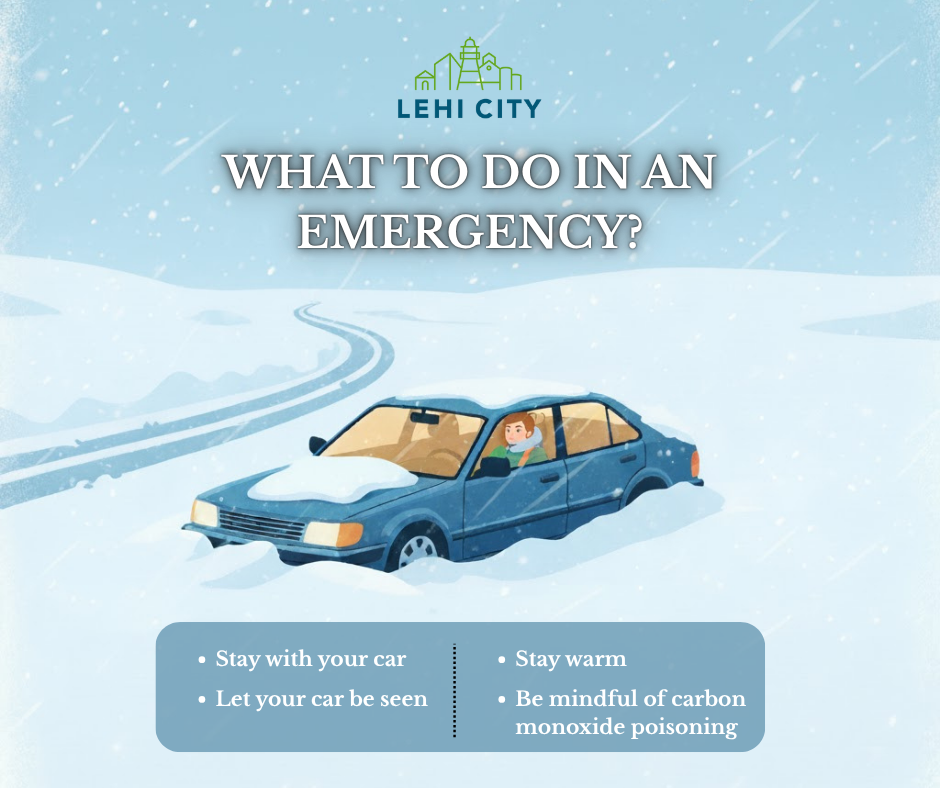
Stay with your car.
It’s usually safer than walking in a snowstorm. AAA advises: “If you go off the road, remain calm, and stay in your car with your seat belt on”. Keep your seat belt fastened and stay warm inside.
Make yourself visible.
Turn on your interior dome light (if it’s dark outside) and put a bright cloth or flag on your antenna or hang it out the window, so rescuers can spot your vehicle.
Conserve heat safely.
Run the engine and heater only as needed to stay warm. Before doing so, clear any snow from the exhaust pipe to prevent carbon monoxide buildup. The car’s tailpipe must be clear, even a small blockage can let deadly exhaust fumes seep into the cabin. As AAA notes, only run the engine “long enough to stay warm,” then turn it off and cover up again. Crack a window slightly for ventilation once in a while.
Call for help if necessary.
If you have phone reception, call 911 or roadside assistance to let someone know your location. Stay calm and let emergency crews handle the rescue. Remember that help may take time to arrive, especially in heavy snow, so be prepared to wait safely in your vehicle.
These steps can help protect you and your passengers. Always dress warmly, keep extra hats and gloves in the car, and avoid overexerting yourself if you do have to step out of the vehicle (shoveling snow in winter gear can overheat you quickly).
Everbridge Emergency Alerts
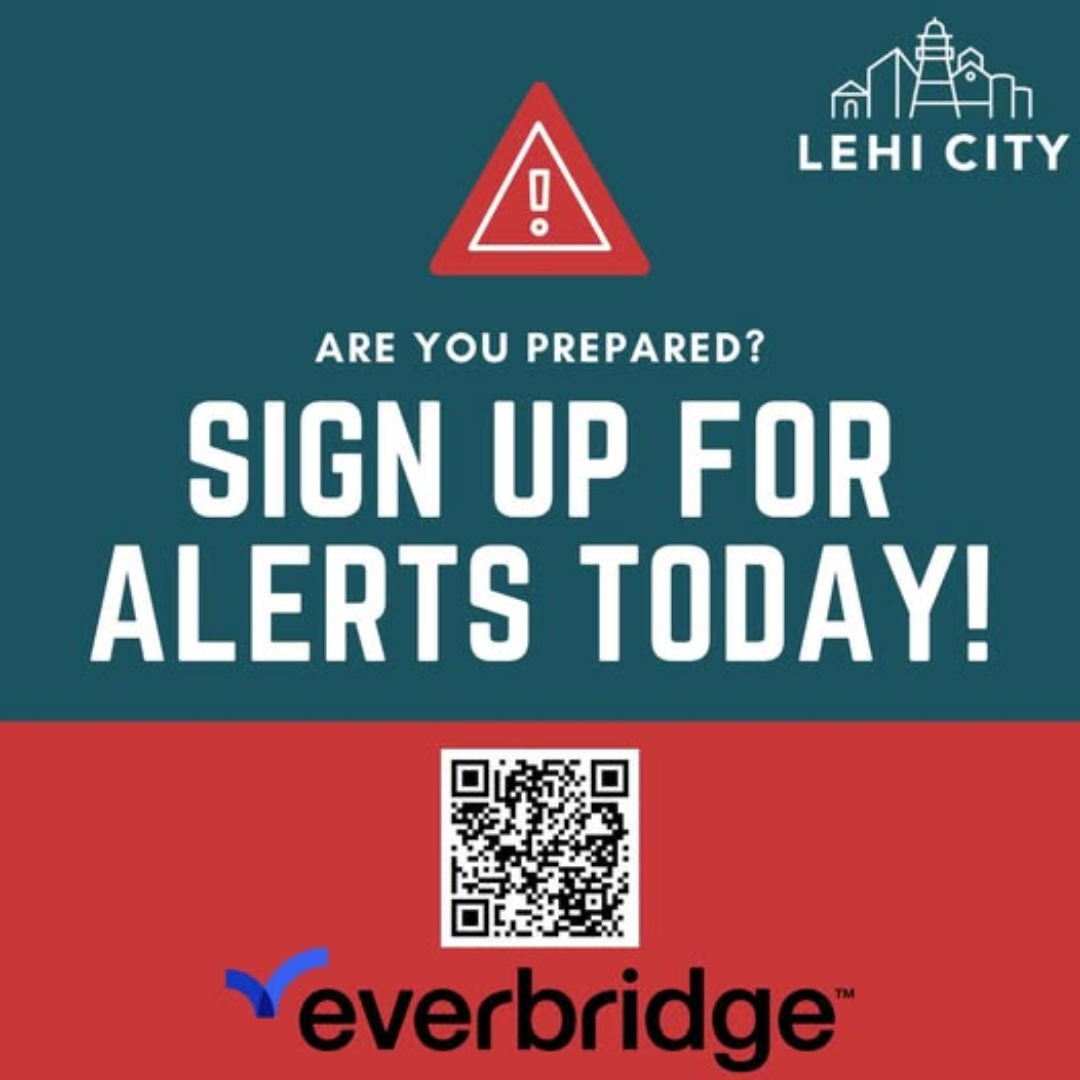
One key part of emergency preparedness is staying informed. Lehi City participates in the Utah County alert system (powered by Everbridge) to send emergency notifications to residents. This system can deliver critical alerts via phone call, text, and email.
Sign up today at alerts.utahcounty.gov. (It only takes a few minutes.) You’ll receive Lehi City alerts about severe weather, emergency road closures, and other urgent information directly to your devices.
